
The Punjab education department has decided to add standardized testing for two more grades starting next school year. This will change board exam in a big way. This is one of the biggest changes to Pakistan’s education system in a long time. The goal is to make sure that all levels of schooling are consistent and accountable.
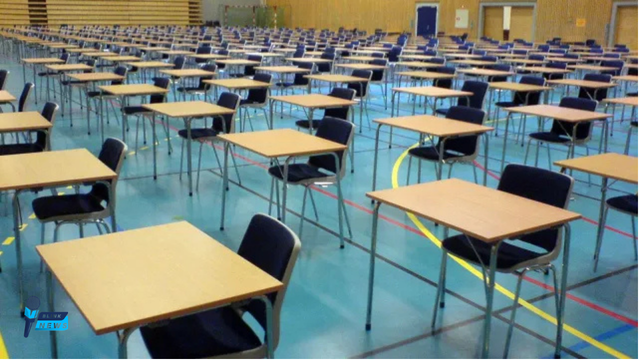
Why the Board Exams in Punjab Grew
The Punjab School Education Department said that board exam will now include students in Grades 5 and 8, in addition to the exams that are already given to students in Grades 9 through 12. Officials said that this change is part of a larger plan to raise the quality of education, make sure that students are tested early, and bring the province’s academic system in line with international standards.
Rana Sikandar Hayat, the Minister of Education, said that the change will set a standard for how well everyone does. “We found big differences in what students learn in primary and secondary school. Introducing board exams earlier will help us find weaknesses and point the way to improvements,” he said at a press conference.
The minister said that the new board exams will start as a pilot program in some districts in 2025 and will be available to all provinces by 2026.
Plan for Putting the New Grades into Action
The Punjab Examination Commission (PEC) will be in charge of the Grade 5 and 8 board exams. People are already working on new model papers, updated syllabi, and guidelines for how to grade. Teachers in Punjab will get special training workshops to help them get used to the new exam system.
As part of the reform, students will be tested not only on how well they can memorize things, but also on how well they can think analytically, solve problems, and understand concepts. The PEC also said that the question papers for these board exams will include competency-based learning outcomes to be in line with the Single National Curriculum.
The department stressed that the same board exam structure will also apply to private schools in order to keep things fair between all schools.
Responses and reactions from the public
People who work in education and parents have had different reactions to the news. Some people were happy with the move to make things more standard, but others were worried about how much stress it would put on younger kids. Dr. Uzma Yousaf, an educator, called the expansion of board exams a “necessary but sensitive” step.
She said, “Tests are important for progress, but the system needs to stay child-friendly. Training teachers and lowering test anxiety will be very important for success.”
Teachers’ unions have asked the government to make sure that all schools, both urban and rural, have the resources and technology they need to hold fair board exams.
Stay informed with more global trade and economy updates only on BlinkNews